
Your Month-by-Month Guide to Experiencing Tanzania’s Wildlife at Its Best
Planning your dream safari and wondering when to visit Tanzania for the best wildlife experience? Timing is everything. From the drama of the Great Migration to predator action in the dry season, this guide helps you pinpoint the best time for a Tanzania safari—depending on what you want to see and do.
INTRODUCING TANZANIA'S SAFARI SEASONS
Tanzania offers year-round safari opportunities, but knowing which months are best for specific experiences will make your trip more rewarding. In this guide, we’ll break down weather patterns, migration movement, and park-specific tips to help you choose the ideal season for your adventure.
UNDERSTANDING TANZANIA'S CLIMATE: WET VS. DRY SEASONS
Tanzania’s climate is characterized by a tropical pattern with distinct wet and dry seasons, which greatly influence wildlife movement and visitor experience.
- DRY SEASON (JUNE TO OCTOBER): This is the prime safari season. Vegetation is sparse, and animals gather around waterholes and rivers, making them easier to spot. Expect sunny days, cooler temperatures in the mornings and evenings, and minimal rainfall—perfect conditions for photography and outdoor activities.
- WET SEASON (NOVEMBER TO MAY): Divided into the short rains (Nov–Dec) and the long rains (March–May), this season transforms the landscape into a lush green paradise. Though some roads may become challenging, the scenery is breathtaking, birding is at its best, and accommodations often offer lower rates.
THE GREAT MIGRATION CALENDAR: WHERE TO BE AND WHEN
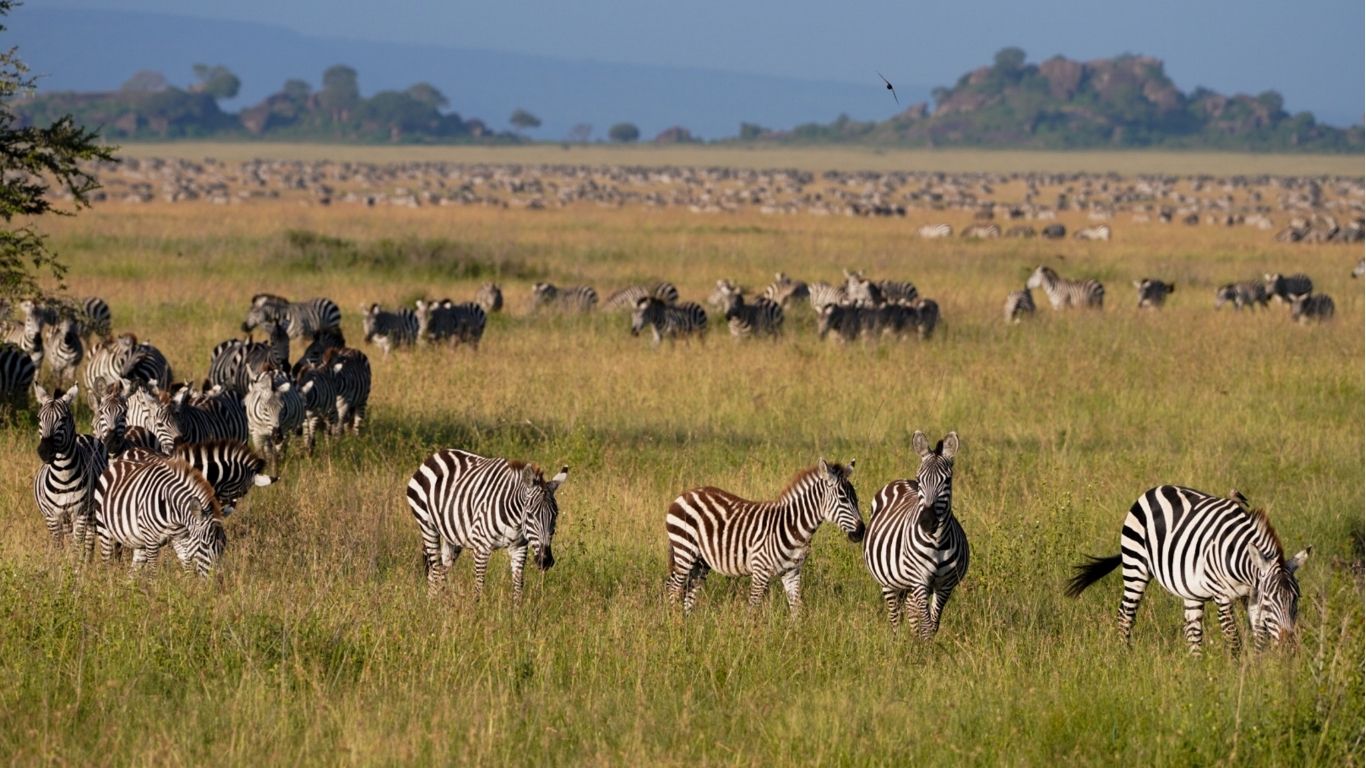
One of the most awe-inspiring wildlife events on Earth, the Great Migration involves over 1.5 million wildebeest and hundreds of thousands of zebras and gazelles following seasonal rain patterns across the Serengeti ecosystem.
- DECEMBER TO MARCH: This is calving season in the southern Serengeti and Ndutu region. Thousands of young are born daily, attracting predators like lions and cheetahs.
- APRIL TO MAY: The herds move northwest, and while it’s the green season with fewer tourists, you’ll enjoy peaceful game drives and rich scenery.
- JUNE TO JULY: The migration passes through the western corridor, and river crossings begin. This is the start of the dry season and a great time to witness the action without the peak season crowds.
- AUGUST TO OCTOBER: The herds gather in the northern Serengeti, attempting dramatic crossings at the Mara River—a thrilling and photogenic spectacle.
BEST TIME FOR NORTHERN CIRCUIT PARKS (SERENGETI, NGORONGORO, TARANGIRE)
The Northern Circuit is Tanzania’s most visited safari region, featuring iconic parks and a wide range of wildlife viewing opportunities.
- SERENGETI: Accessible year-round, but the best time depends on the Great Migration’s location. June to October offers excellent general game viewing and predator sightings, especially near river crossings.
- NGORONGORO CRATER: Known for its dense wildlife population, it’s ideal any time of year. However, June to October provides better visibility and fewer rain interruptions.
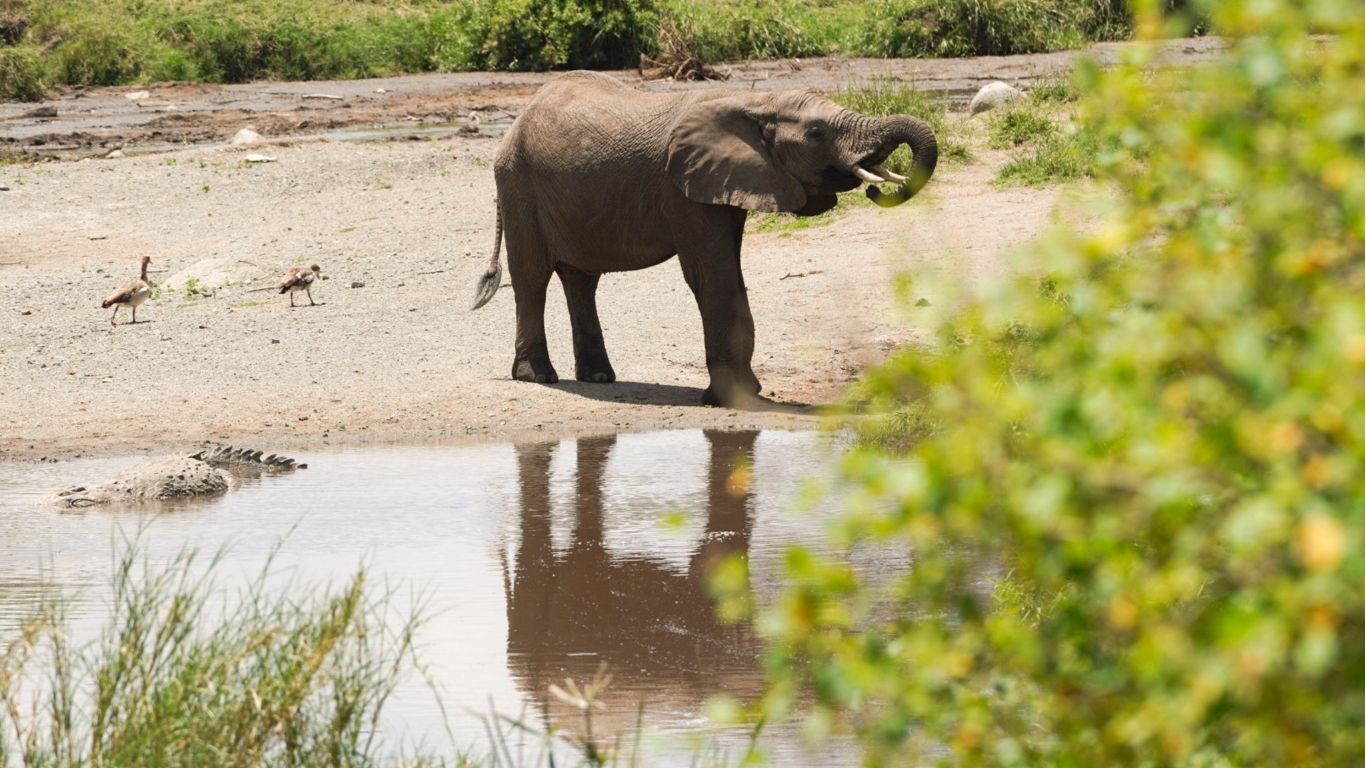
- TARANGIRE: Famous for massive elephant herds and baobab-dotted landscapes, it truly comes alive during the dry season (June to October), when wildlife congregates around the Tarangire River.
- LAKE MANYARA: Best from June to October for wildlife viewing. Tree-climbing lions, flamingos, and dramatic landscapes make it a highlight of many itineraries.
CONSIDERATIONS BEYOND WILDLIFE: BUDGET, CROWDS & ACTIVITIES
Your travel dates can also impact costs, availability, and the kind of experience you’ll have.
- HIGH SEASON (JUNE TO OCTOBER): Excellent wildlife viewing and weather, but accommodations and tours are more expensive and fill up quickly.
- GREEN SEASON (NOVEMBER TO MAY): You’ll find better prices, vibrant landscapes, and fewer crowds. Ideal for photographers and bird watchers.
- HOLIDAY PEAKS: December holidays and July/August are peak travel times. Book accommodations and safari tours well in advance.
Decide what matters most—privacy, cost, or wildlife density—and plan accordingly.
SHOULDER SEASONS: GREAT VALUE & FEWER CROWDS
The months just before and after the high season can be a sweet spot for many travelers:
- APRIL AND MAY: Though wetter, this period sees lush scenery, blooming landscapes, and the lowest prices of the year. Perfect for those wanting a quieter safari.
- NOVEMBER: Marked by the short rains, this is another underrated time with green scenery, migratory birds, and discounted rates.
Shoulder seasons allow you to enjoy top parks with minimal disturbance and more personalized service.
READY TO PLAN YOUR PERFECT TANZANIA SAFARI?
Contact our expert team at Suricata Safaris to craft a custom itinerary based on your timing, interests, and travel goals. Or explore our Tanzania Travel Guide for more inspiration.